

Clinical characteristics and drug susceptibility profiles of Mycobacterium abscessus complex infection at a medical school in Thailand

Chulalongkorn Medical Student Contributes to Research on COVID-19 Immunity in Children

Harit Phowatthanasathian, a medical student at Chulalongkorn University, contributed to an international research study investigating how previous COVID-19 infection and vaccination affect immunity against the Omicron BA.5 variant in children.

Working with researchers from the Center of Excellence in Clinical Virology, Faculty of Medicine, Chulalongkorn University, under the leadership of Professor Yong Poovorawan, the research team studied antibody responses in 196 children aged 5–7 years with different combinations of previous infection and vaccination.

The study found that children who had both previous infection and two doses of vaccination developed the strongest neutralizing antibody response against Omicron BA.5. Detectable neutralizing antibodies were found in 90% of children with hybrid immunity, compared with 62.2% after two doses of vaccination and 48% after Omicron infection alone.

The findings support the importance of COVID-19 vaccination in children, including those who have previously been infected, and provide valuable evidence on how hybrid immunity can strengthen protection against emerging variants.

The study was published in the International Journal of Infectious Diseases in 2023.

For more details, read the full research article here : https://www.ijidonline.com/article/S1201-9712(23)00556-8/fulltext


Authors and Affiliations

Darlene Ariyaskul and Kittipat Kulkraisri

Center of Excellence for Innovation and Endoscopy in Gastrointestinal Oncology, Division of Gastroenterology, Department of Medicine, Faculty of Medicine, Chulalongkorn University
HEALTHCARE IS DELIVERED WHERE YOU ARE.

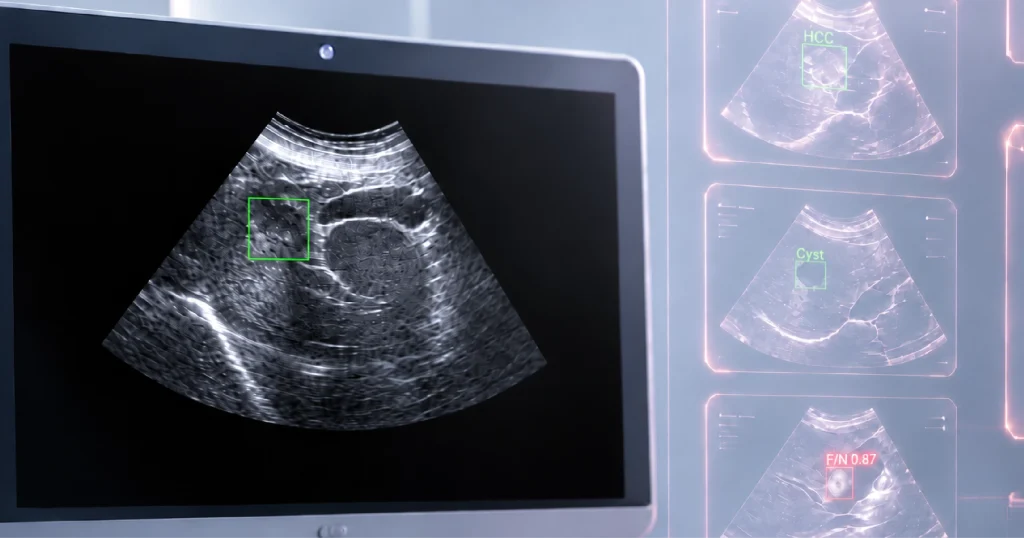
Have you ever imagined being your own personal doctor and managing your own health sitting in front of a TV at home? Testing that once seemed risky out of the hands of medical professionals is now more than ever a touchable reality. The advancement of handheld technology has brought an explosion of personal health gadgets such as smart watches that can monitor heart rate, blood pressure, breathing, and calories burned. High-speed internet advances have allowed for the efficient use of mobile phone applications, online consultant services, telemedicine, and even AI therapists. Some laboratory tests can even be ordered from home at the click of the button, with tool kits delivered and results available quickly online. 

Future prospects of healthcare are moving from being doctor-centered to the patient viewpoint. Disease treatments will also expand to lifestyle remedies and coaching and extend out from visits to the hospital to a 24/7 online service. We might see more data doctors, where personal information of patients is streamed through an online platform and managed by professionals behind screens in ‘Care Hubs.’ After analysis of the person’s health data, they can provide individualized consult to each person, and recommend fitness programs that utilize entertainment and games to increase compliance. Personal devices will have bio-sensors to detect critical vital signs like irregular heartbeats and will be able to immediately send alerts to their doctors for any signs of life threatening conditions. Healthcare will be accessible where ever as internet connectivity becomes more and more ubiquitous.